
Current Issue (test)
Volume 13, Issue 1, August 2018
Martin Luther and the Age of the Individual
Luther: The Age of the Individual, 500 Years Ago
By Christine Helmer
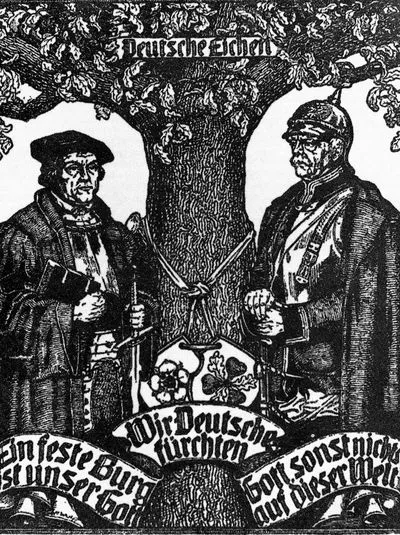
What was actually celebrated in the year commemorating the five hundredth anniversary of the Protestant Reformation? Many agree that the Reformation shaped the modern world in distinctive ways. Modern western values, such as the autonomy of the individual, the individual’s freedom from religious or political coercion, and the individual’s vocation in society, have been attributed to Luther’s innovations. Yet, is it the case that Luther insisted on individual freedom in the way moderns assume? Or did Luther understand the individual in a theological sense, namely in the Catholic sense of the self as necessarily preceded by and enlivened in the community.
VIEW ARTICLE
SUPPLEMENTARY DATA
Individualistic Welfare Analysis in the Age of Behavioral Science
By Michael Woodford
Experimental demonstration of systematic errors and biases in human choice behavior might seem to undermine the conceptual basis of the individualistic approach to welfare analysis, in which people’s interests are inferred from the choices that they are observed to make. This essay argues that one need not give up on individualistic welfare analysis, and discusses two ways in which empirical studies can seek to infer people’s true interests, while recognizing that people do not always choose the outcome that is best for them under all circumstances.
VIEW ARTICLE
SUPPLEMENTARY DATA
Comment on "Luther: The Age of the Individual, 500 Years Ago" (by Christine Helmer)
Juan Vicente Sola
Corporatism describes society as an organic body, an “institutional arrangement for linking the associational organized interests of civil society with the decisional structures of the state.” As “true and proper organs of the state, they direct and coordinate labor and capital in matters of common interest.” It has a long history with modernized versions, which intend to separate it from any fascist connection and define it as persons living in society who participate in policy decisions only if they are organized through associations. In all cases, corporatist policies are a plan for economic stagnation.
VIEW ARTICLE
SUPPLEMENTARY DATA